FASHION & TEXTILE - RECYCLED FIBERS
Recreating material from material, without starting from scratch.We develop recycled textile fibers from pre-consumer and post-consumer sources, intended for spinning and the creation of new yarns.
Our approach allows us to adapt the material to industrial requirements, by combining source selection, sorting mastery, and technical performance and traceability.
RECYCLING
Textile-to-textile recycling from European sources
QUALITY
A consistent fibre: uniformity, fibre length, colour consistency
TRACEABILITY
Physical and digital tracer, from raw material to finished product
PRICE
Solutions suited to both small and large volumes
A SUSTAINABLE APPROACH
We are convinced that the future of clothing lies in a sustainable and responsible approach, and we make every effort to offer innovative alternatives to reduce the proportion of virgin fibers used – supporting marketers in their eco-design of products.
We transform local textile surpluses to limit their disposal in landfills or incineration, convinced that our impact on employment and waste reduction is first and foremost a local matter.
Our defibrillation process mechanically transforms textiles into fibers, without using resources other than nuclear electricity, with machines designed in 2020, equipped with variable speed drives, to be as energy-efficient as possible. Our process emits 0.6 kg CO2eq per kg of fibers, compared to 8 kg for virgin cotton fiber.
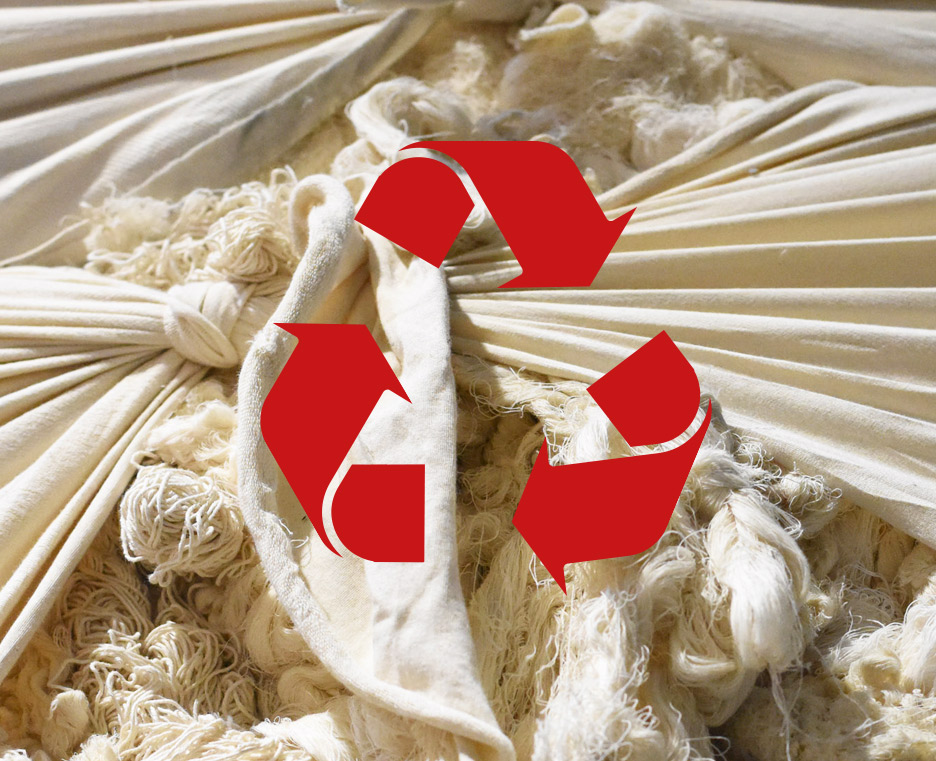
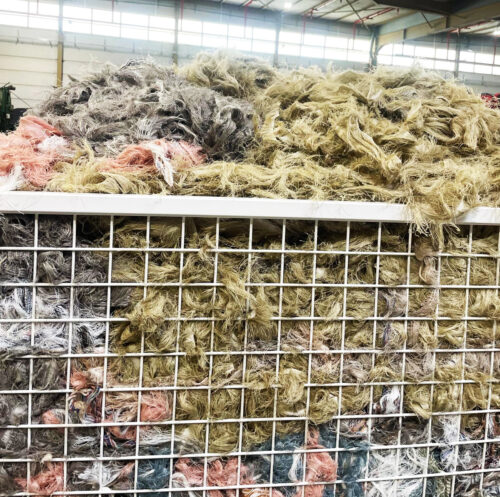
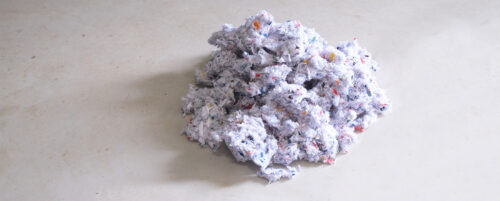
POST-INDUSTRIAL WASTE FROM PRODUCTION WASTE
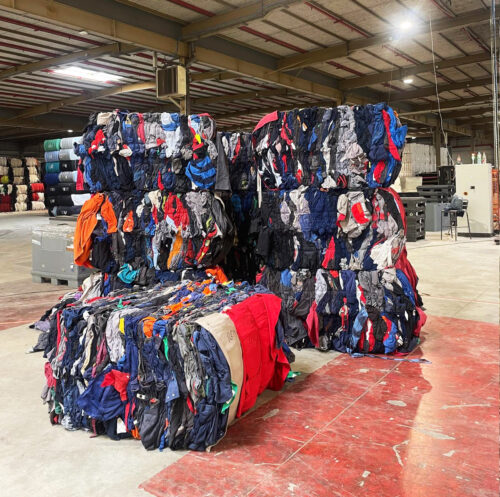
POST-CONSUMER WASTE FROM USED GARMENTS
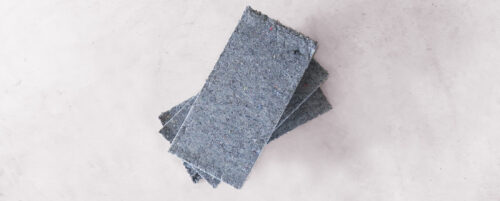
HIGH-QUALITY RECYCLED FIBERS
We produce homogeneous, traceable, GRS-certified recycled textile fibers, intended for spinners in the textile industry. Cotton, acrylic, linen, wool, aramid, viscose, poly-cotton, and various blends find a second life.
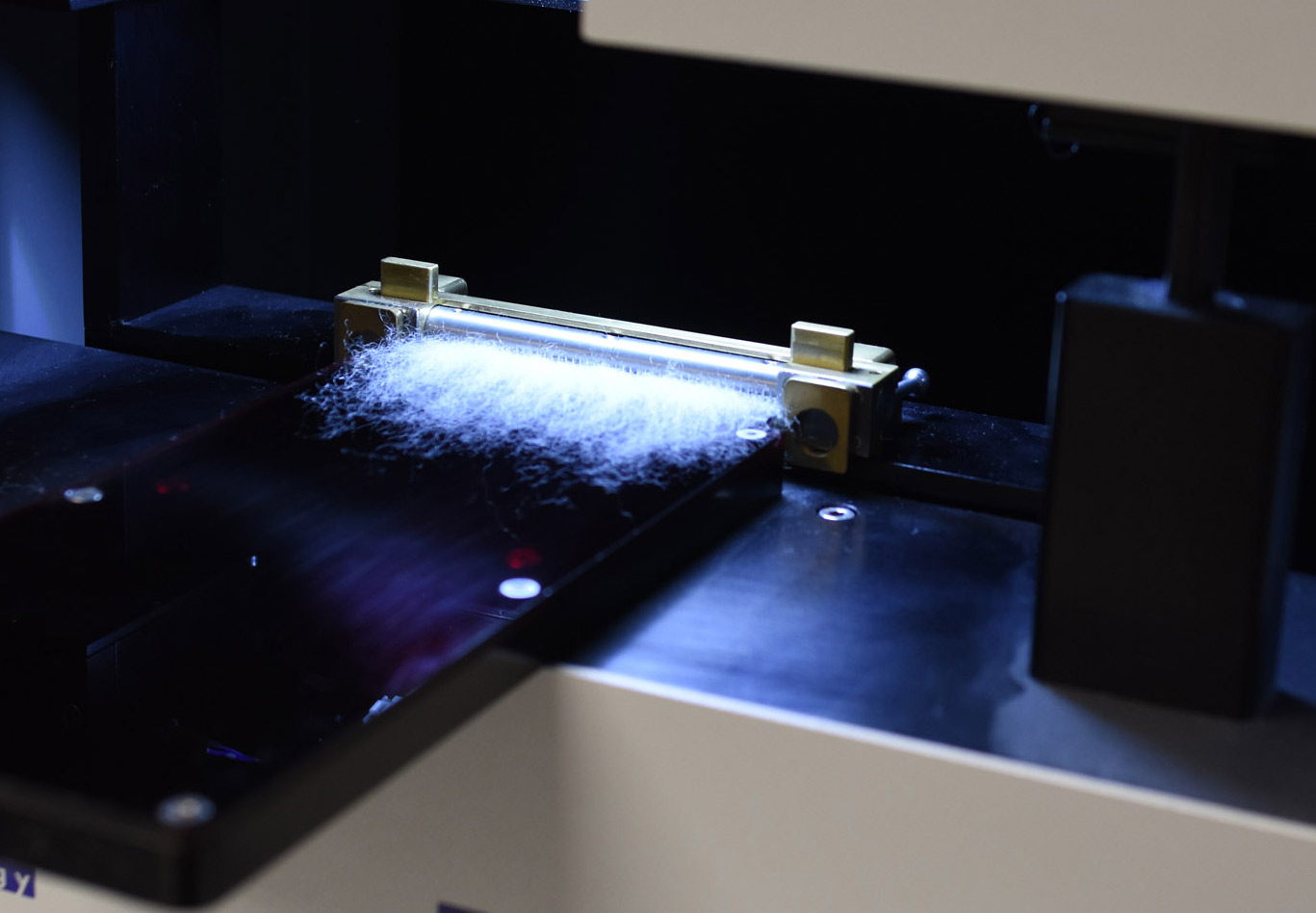
QUALITY & PERFORMANCE
- infrared material analysis
- fiber length measurements
- sliver stability
- colorimetric control
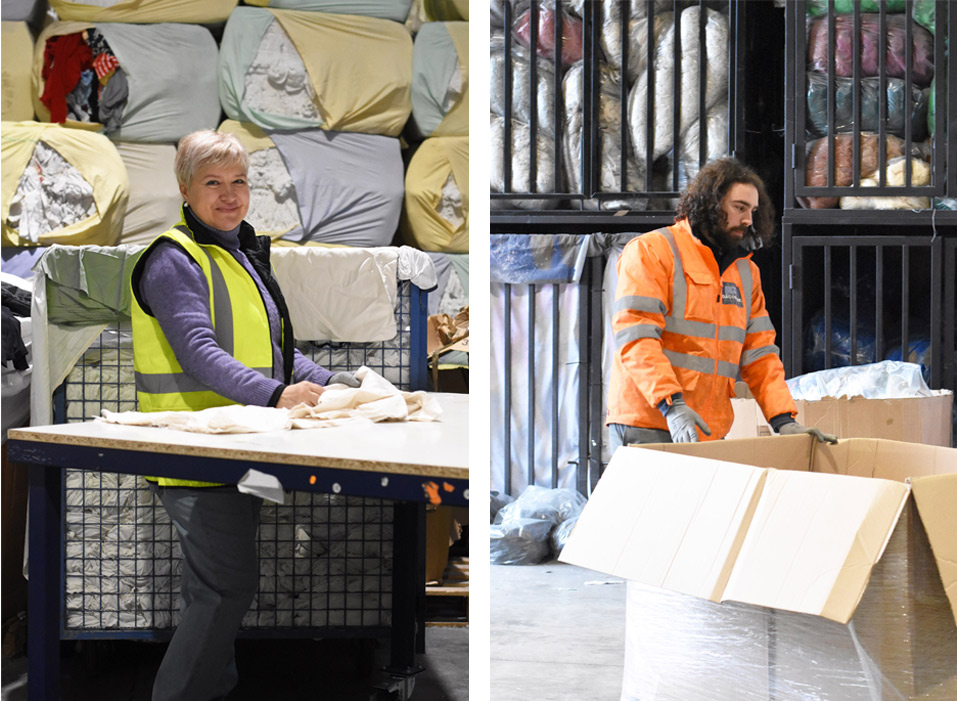
CONTROLLED SORTING
Whether for industrial production scraps or end-of-life garments, sorting is the first key step in the recycled fiber manufacturing process. Each source is meticulously sorted in our factory: sorting by fiber typology, by composition, and by color.
Benefits:
- batch homogeneity
- reduced dyeing needs
- optimized material performance
MECHANICAL TRANSFORMATION
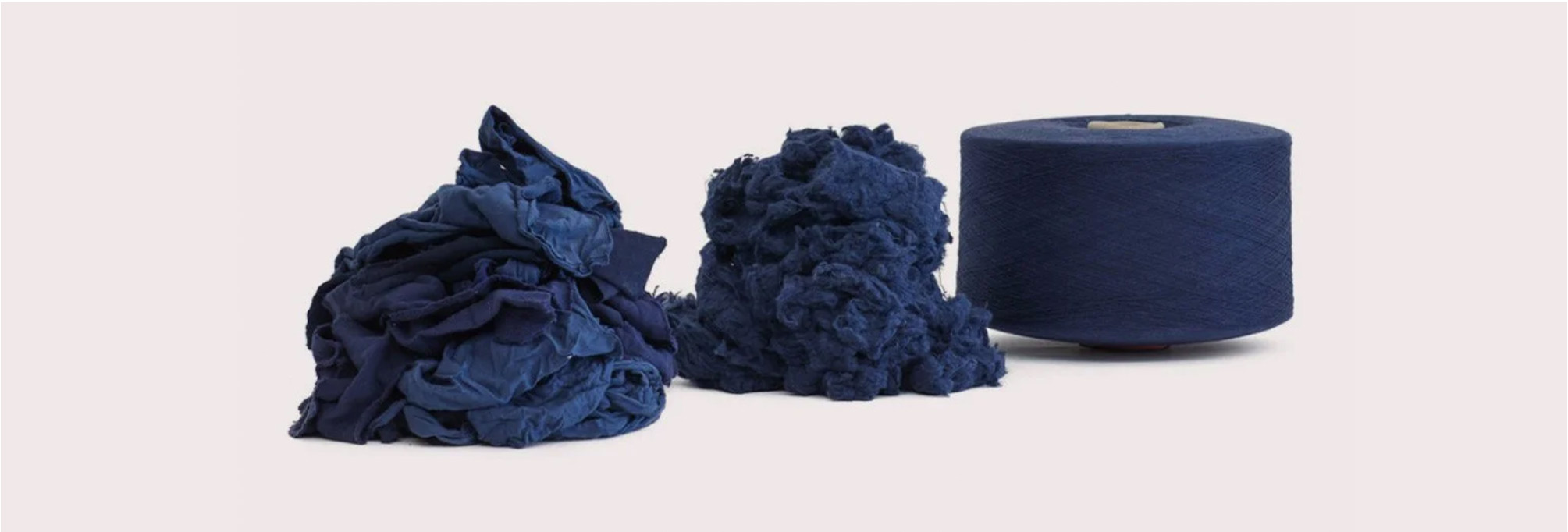
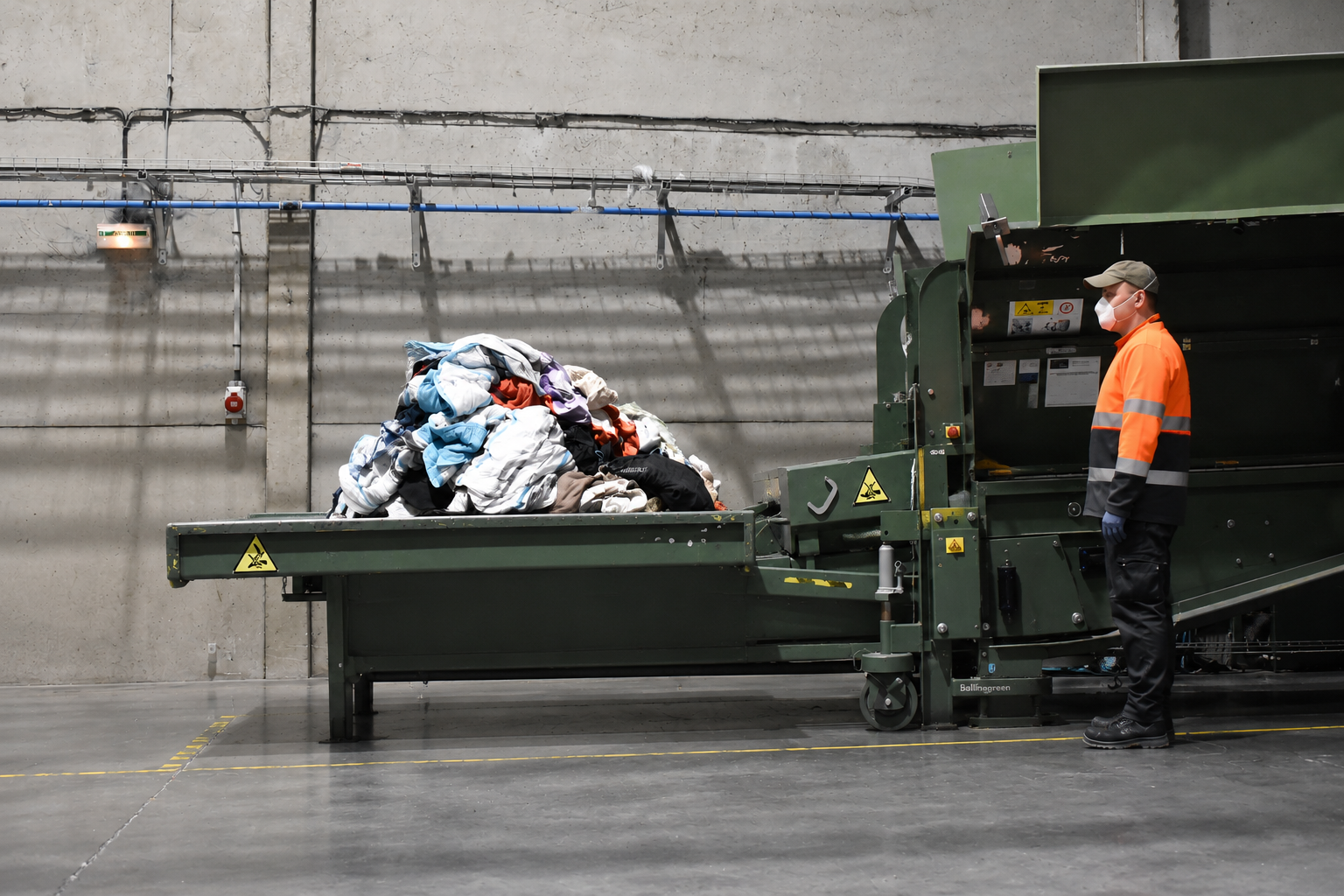
Our proprietary defibrillation process transforms your waste into high-quality recycled fibers and allows you to integrate your textile projects into a circular approach.
We work with natural, synthetic, and artificial fibers. Our innovative process allows us to preserve good fiber lengths for use in all types of spinning and to adapt to desired finished products.
GUARANTEED TRACEABILITY
We know that traceability is a major challenge in the textile recycling sector. That is why we have implemented a rigorous traceability system that allows us to monitor every stage of the life of our recycled textile fibers, from the reception of textile waste to delivery to our customers.
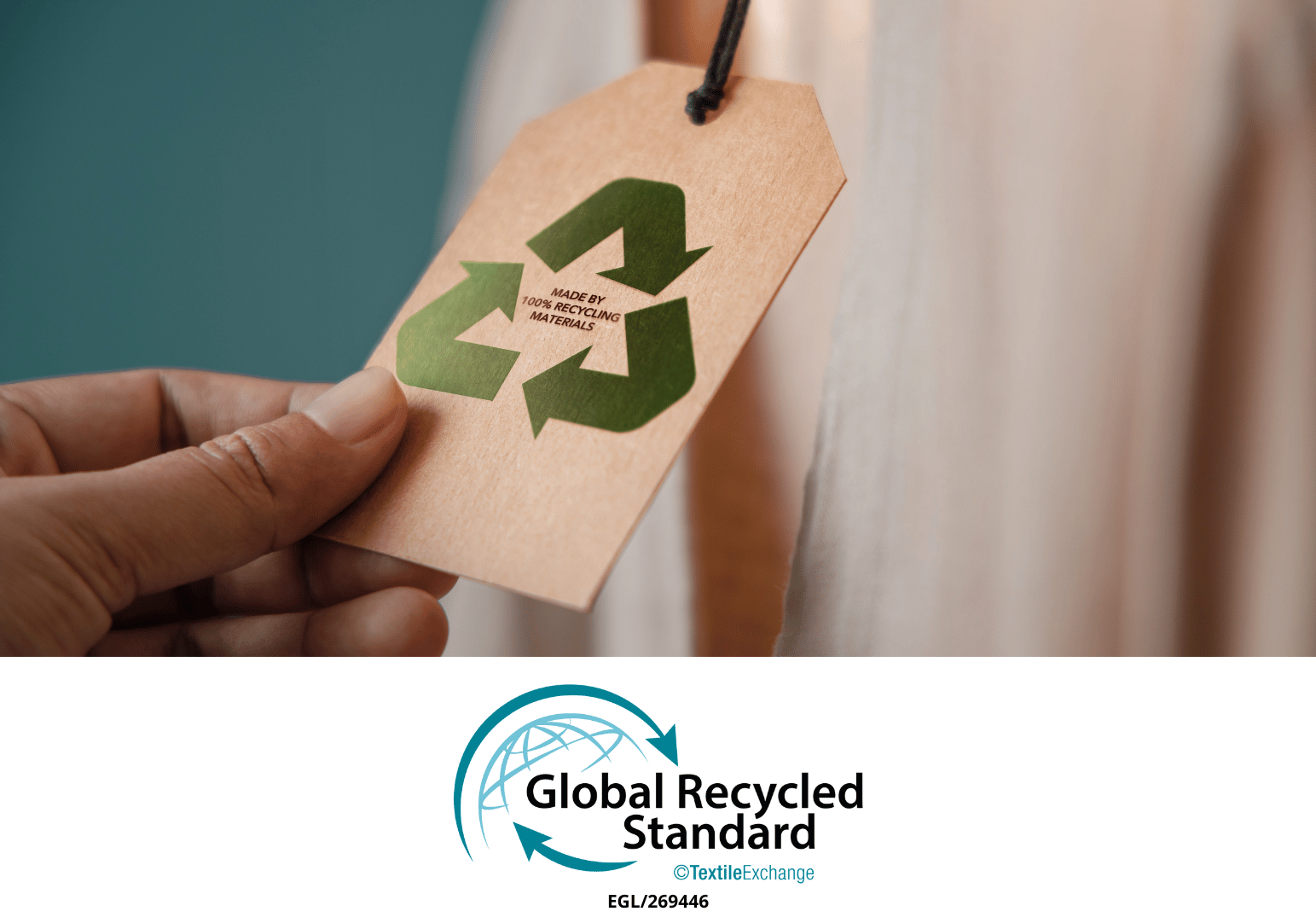
We are proud to be certified Global Recycled Standard (GRS), a recognized international certification that guarantees the traceability and recycled nature of our fibers.
Beyond traceability, it is also the guarantee of environmentally friendly and human rights-respecting production.
AN INDUSTRIAL PROJECT?
LET'S MEET
| OUR ACHIEVEMENTS |
| THEY SUPPORT US |